

Karasjok
About
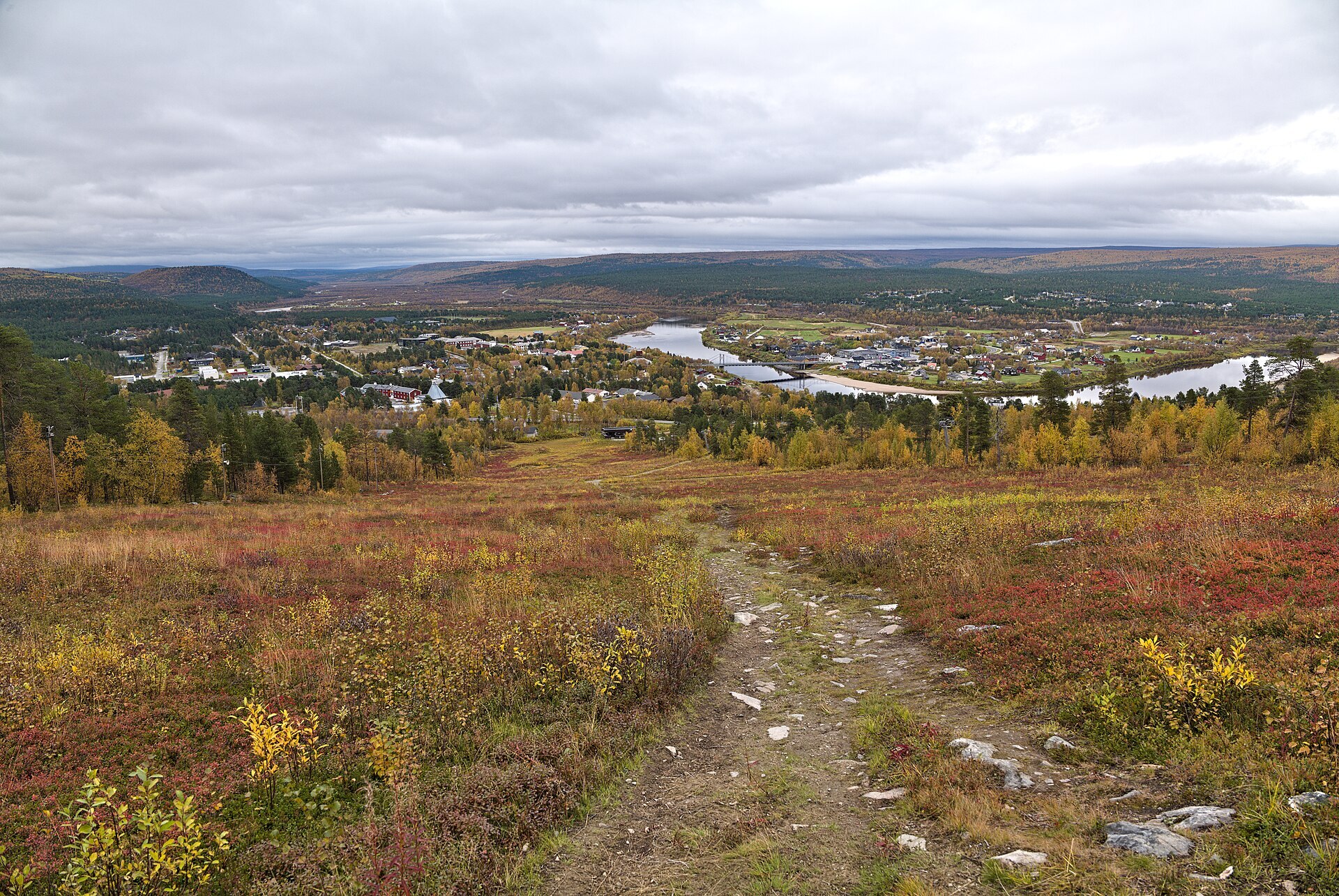
Karasjok, Kárášjohka in North Sámi, lies in a wide valley of pine forest on the eastern edge of Finnmarksvidda. The river Kárášjohka runs broad and slow through the village and on towards the Finnish border, about 13 km away, and the E6 and Rv92 meet here. Around 80 % of the people in the municipality are Sámi. Here the Sámi name comes first, and the two names have equal status. Winters are seriously cold: on New Year's Day 1886 Karasjok measured −51,4 °C, the lowest temperature ever recorded in Norway. Summer makes up for it, with the sun up day and night from about 20 May to 24 July.
A small village with about 1.781 people, Karasjok holds a surprising number of Sámi institutions: the Sámi Parliament, NRK Sápmi, which has made Sámi radio here since 1976 and now TV too, the museum De Samiske Samlinger, a Sámi upper secondary school and the Sámi-language newspaper Ávvir. Reindeer herding is still a backbone, with herds moving between winter grazing on the vidda and summer grazing by the coast, alongside some cattle and sheep.
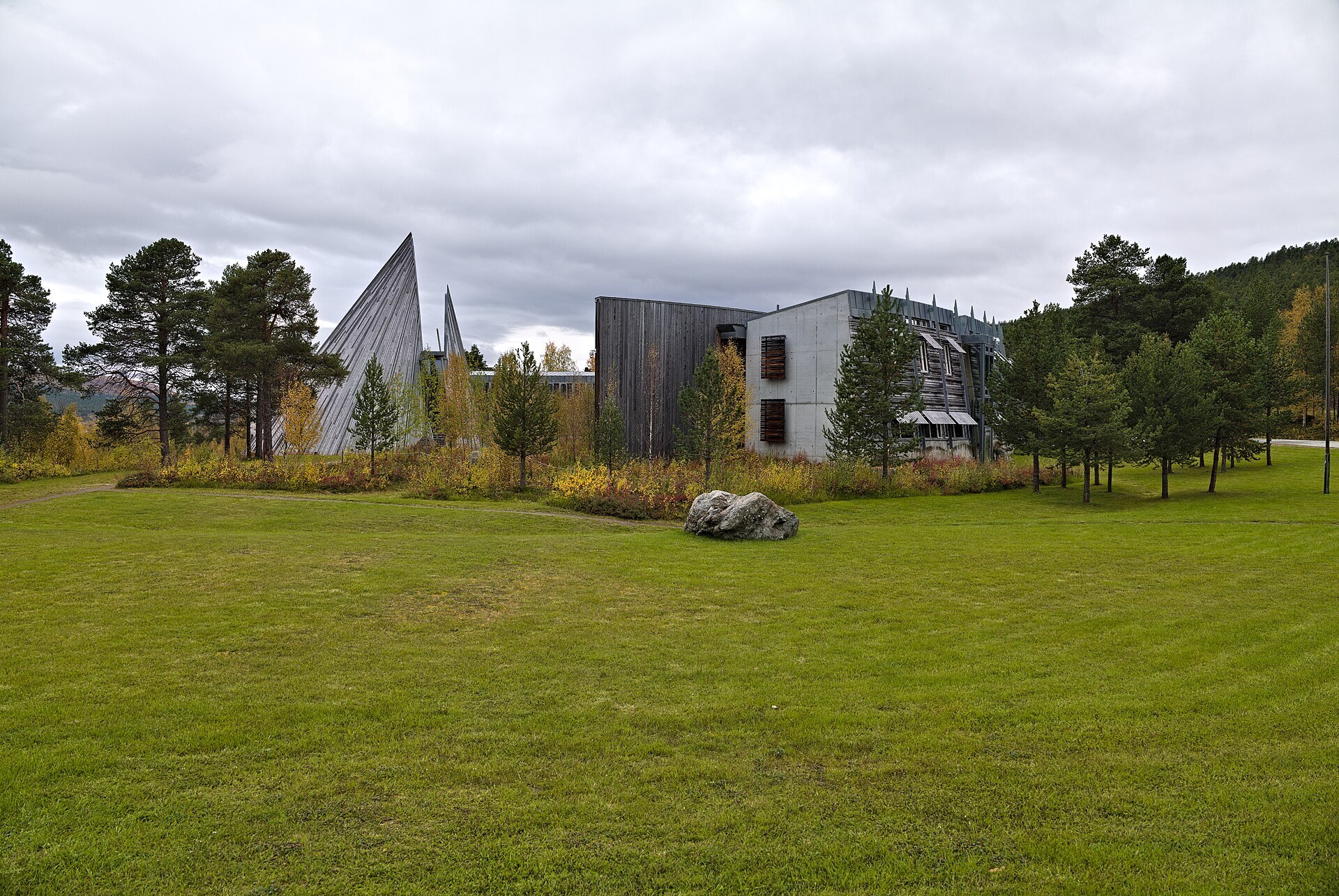
Local knowledge: johka is Sámi for river. Nobody is sure about the first part of the name: perhaps Finnish kara, something that sticks out, or Sámi káráš, a wooden food bowl. There was hardly any permanent settlement here before the early 1700s, and before that the vidda was used by nomadic hunters and reindeer herders. The day that put Karasjok on the map was 9 October 1989, when King Olav opened the new Sámi Parliament here and the parliament's own joik, sámedikki luohti, was performed for the first time. In 2000 the parliament got its own building, a two-storey half circle by the architects Stein Halvorsen and Christian Sundby, with the plenary hall and the Sámi special library inside.
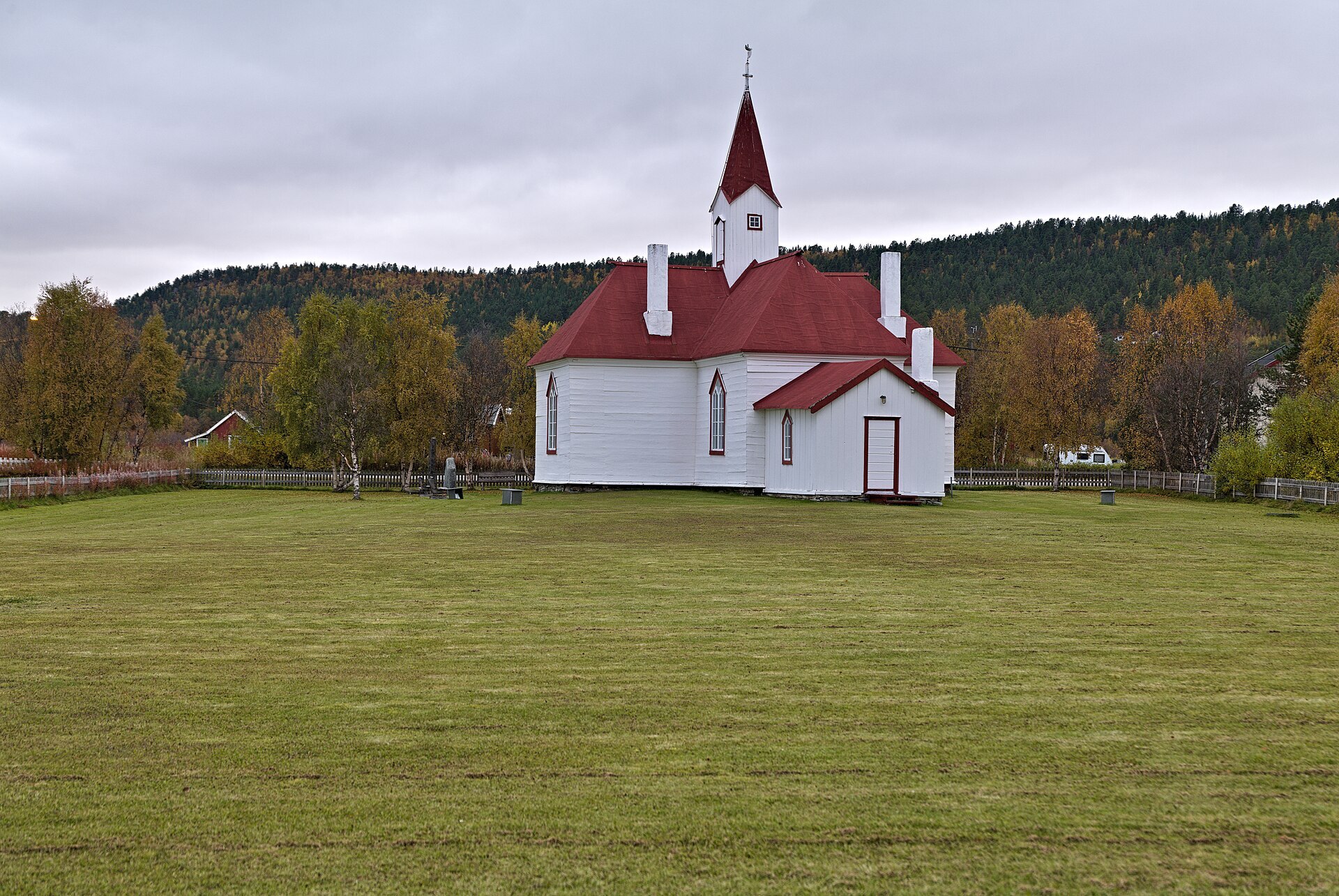
Visiting: the pin points to Sápmi Park at Leavnnjageaidnu 1, which is also Karasjok's tourist information and open all year, with shorter hours in winter. In summer there's the Magic Theatre, reindeer feeding, joik and lasso throwing. From here it's a short walk to the Sámi Parliament. On a rainy day, go to De Samiske Samlinger on Mari Boine geaidnu, more than 5.000 objects and the largest museum collection of Sámi cultural history in Norway. The street is named after the singer Mari Boine, who grew up at Gámehisnjárga near Karasjok. Then there's Karasjok old church from 1807, the oldest standing church in Finnmark. When the Germans blew up the bridge in 1944 its windows were smashed and the north wall nearly fell, but it stayed standing among the burnt-out plots. Min Ája is a campsite in the village, the Ássebákti trail is a short drive southwest, and a long gravel road up the Anárjohka valley leads towards Anárjohka National Park.
Fact sheet
- Other official names: Kárášjohka (North Sámi)
- People: 1.781 in Karasjok, 2.524 in Kárášjohka – Karasjok municipality
- County: Finnmark
- Typical industries: Sámi radio and TV (NRK Sápmi), reindeer herding and farming, Sámi newspaper and book publishing
- Midnight sun: 20 May – 24 July
- Polar night: 29 November – 13 January
Population on 1 January 2026, from Statistics Norway. Typical industries are the ones with a much bigger share of the jobs here than in Norway as a whole (Statistics Norway, 2025).
Weather & Northern Lights
Now
In 24 hours
Northern Lights Chances
Weather forecast from MET Norway (yr.no). An indication, not a promise: aurora activity over this place (NOAA) times the clear sky in the best three-hour window of the night (MET Norway). The next nights rest on the Kp forecast only. More: our Northern Lights Forecast and the Northern Lights Map.
Getting there
Leavnnjageaidnu 1, 9730 Karasjok, Norway
Nearby
- Rema 1000 KarasjokNearest shop · 300 m
- Circle K KarasjokFuel200 m
- Toiletsright here
- Kárášjohka - KarasjokNearest town300 m
- Vinmonopolet LakselvNearest Vinmonopolet · 67 km
- Camping TenorinneNearest campsite15 km
Data from OpenStreetMap (ODbL)
On the way
Road reports within 40 km and the nearest road cameras, from Statens vegvesen (NLOD). The pictures refresh every few minutes; the reports are put into English word by word. All road cameras
Reviews
Rate this place
You are, or have been here? Give it your stars.
Comments
Thank you! Your comment is shown once we have read it.
No comments yet.
Write a comment
Let us know your experience with this place -- did something change? Your comment is shown once we have read it.
Please write a few words.
Thank you -- that is enough for now. Please try again in an hour.